
Prof. Dr. Ersoy Kocabicak
World-Leading Expertise in Deep Brain StimulationNow Accessible in Istanbul
Advanced neuromodulation treatment for movement disorders and neurological conditions, led by an internationally recognised functional neurosurgeon with over 20 years of experience.
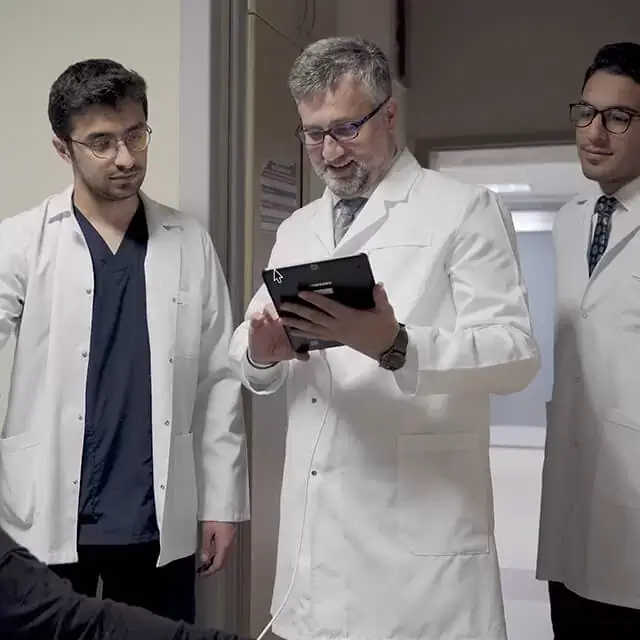
What is Deep Brain Stimulation?
Deep Brain Stimulation (DBS) is an advanced neurosurgical treatment used to manage neurological and movement disorders that cannot be adequately controlled with medication. The procedure involves implanting thin electrodes into specific areas of the brain and connecting them to a small neurostimulator device that sends controlled electrical signals to regulate abnormal brain activity. Unlike many other surgical treatments, DBS is adjustable, reversible, and personalised, allowing physicians to optimise therapy according to each patient's condition.
Conditions Treated with DBS
Deep Brain Stimulation is used to treat several neurological and movement disorders, particularly when symptoms can no longer be adequately controlled with medication.
Movement Disorders
Parkinson's Disease
DBS significantly improves tremor, rigidity, and motor fluctuations in Parkinson's patients, often reducing the need for high-dose medications.
Essential Tremor
The most common cause of hand tremor. DBS effectively controls tremor symptoms that do not respond to medication.
Dystonia
DBS helps manage involuntary muscle contractions and abnormal postures caused by dystonia, improving functional ability.
Tourette Syndrome
For medication-resistant cases, DBS has been shown to be highly effective in controlling severe vocal and motor tics.
Neurological & Psychiatric Conditions
Epilepsy
Vagus Nerve Stimulation (VNS) and DBS offer relief for patients with drug-resistant epilepsy.
Obsessive-Compulsive Disorder
DBS is an emerging treatment for severe, treatment-resistant OCD, targeting specific brain circuits.
Emerging Research Areas
Clinical Outcomes & Benefits
Ensuring the highest standards of patient safety, surgical precision, and clinical quality throughout the DBS treatment process.
Symptom Reduction
Significant improvement in tremor, rigidity, and motor symptoms.
Medication Reduction
Decreased need for high-dose neurological medications.
Improved Quality of Life
Better daily functioning and patient independence.
Long-Term Symptom Control
Sustained symptom improvement with adjustable stimulation therapy.
Reversible & Adjustable
Therapy parameters can be adjusted according to patient response.
Evidence-Based Therapy
Clinically proven treatment supported by international scientific studies.
Thousands of patients worldwide benefit from DBS therapy every year.
Real Patient Outcomes
Clinical improvement after Deep Brain Stimulation — real patients treated by Prof. Dr. Kocabicak and the Atlas Neuromodulation Centre team.
Mr. Nuri — Before & After DBS
You are watching footage of our patient Nuri, who has been suffering from Parkinson's disease for approximately 10 years with tremor as the predominant complaint, before and after the deep brain stimulator surgery. Tremor in Parkinson's disease can be brought under control with deep brain stimulator treatment. Additionally, the amount of medication used can be reduced after surgery, and side effects that develop due to high-dose medication use — such as involuntary movements (dyskinesias) and hallucinations — improve following the procedure.
Mrs. Ayten — Stimulator OFF vs ON
Contrary to popular belief, the most common cause of hand tremor is not Parkinson's disease but essential tremor. You are watching the post-surgery video of our patient Ayten, whose symptoms have been brought under control with deep brain stimulator treatment, with the stimulator off and on.
Büşra — Before & After DBS
You are watching footage of Büşra, who has been suffering from vocal and motor tics for many years, before and after deep brain stimulator surgery. Tourette syndrome (tic disorder) is a neuropsychiatric condition that causes patients to make sudden movements or sounds that they cannot control. It is treated by psychiatry specialists. In medication-resistant cases, deep brain stimulator surgery is highly successful in bringing tics under control.
Mr. Kadir — Stimulator OFF vs ON
Freezing, gait disturbance and slow movement (bradykinesia) are among the most important complaints of Parkinson's disease that impair the quality of life. It is possible to control these symptoms with deep brain stimulation. You can see the difference in the way patient Kadir walks in stimulation on and off conditions, in this video.
Mrs. Ayşe — Stimulator OFF vs ON
With brain pacemaker (deep brain stimulation) treatment, it is possible to control the main symptoms of Parkinson's disease: tremor, slowness of movement (bradykinesia), and joint stiffness (rigidity). You are watching a video of our patient, Ayşe, who came to us from Cyprus, showing her condition with the brain pacemaker turned off and turned on after the surgery.
In-depth conversations with patients and their families after deep brain stimulation treatment.
Nur Beyan — Patient Story
Nur Beyan shares her experience with Parkinson's disease and her journey through deep brain stimulation treatment.
Ecem — Her Mother's Story
Ecem shares her perspective on her mother's battle with Parkinson's disease and the impact of deep brain stimulation treatment on their family.
Why Prof. Dr. Kocabicak
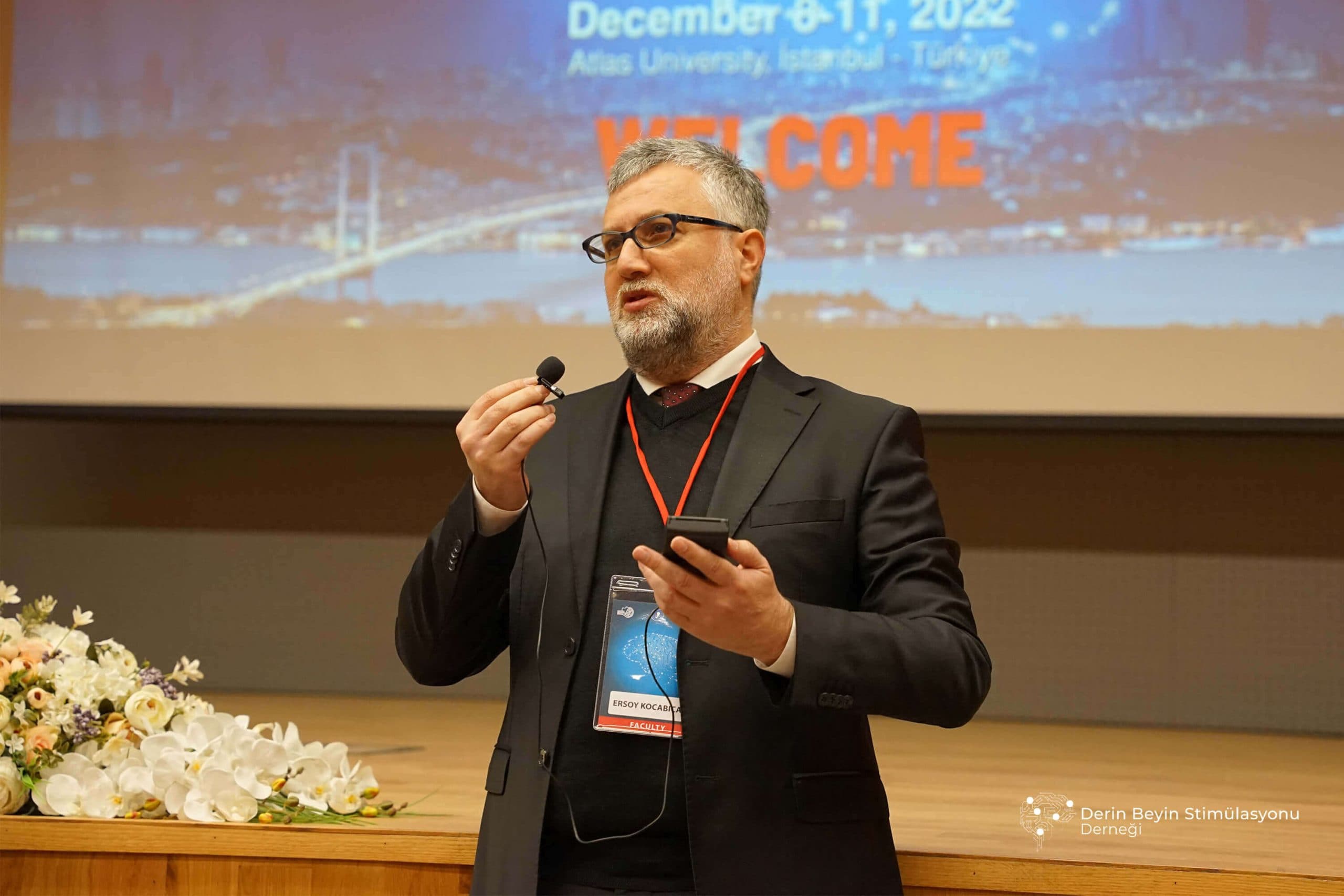
An internationally recognised specialist in functional neurosurgery and Deep Brain Stimulation with extensive clinical and academic experience.
Professional Affiliations
International Academic Collaboration
Strategic partnership with Maastricht University Medical Centre (MUMC+) and Prof. Dr. Yasin Temel, strengthening the scientific and clinical foundations of the Atlas Neuromodulation Centre.
Referral Partnership Programme
If you are a neurologist, psychiatrist, or medical institution with patients who may benefit from Deep Brain Stimulation, we welcome the opportunity to collaborate. Prof. Dr. Kocabicak and the Atlas Neuromodulation Centre team offer a structured referral pathway for international colleagues.
Patient Evaluation
Comprehensive pre-surgical assessment by a multidisciplinary team of over 20 specialists across neurosurgery, neurology, psychiatry, and allied health.
Surgical Expertise
Over 1,500 DBS electrode implantations performed by Prof. Dr. Kocabicak, supported by international academic credentials and ongoing research.
Post-operative Protocol
Structured follow-up and stimulator programming support, with detailed reporting and communication to the referring physician.
International Coordination
Dedicated patient coordination for travel logistics, accommodation, language support, and seamless communication between care teams.
Multidisciplinary DBS Team
Deep Brain Stimulation requires the collaboration of multiple medical specialities. At Atlas University Hospital, every patient is evaluated and managed by a coordinated team of over 20 professionals.
Neurosurgery
Neurology
Psychiatry
Neuropsychology
Physical Therapy & Rehabilitation
Speech & Language Therapy
Dietician
Occupational Therapy
Nurse & Coordination
Inside the Neuromodulation Centre
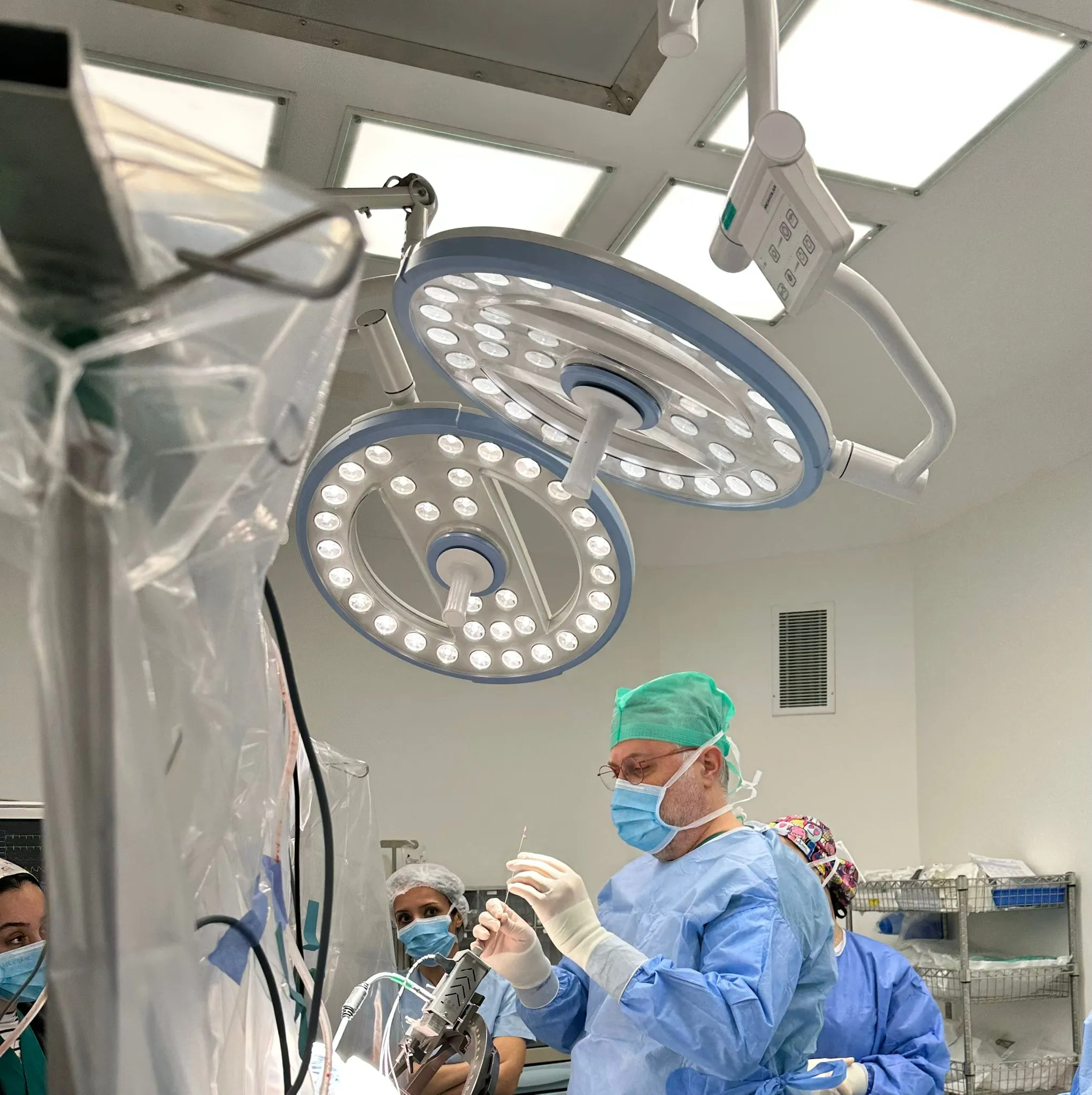
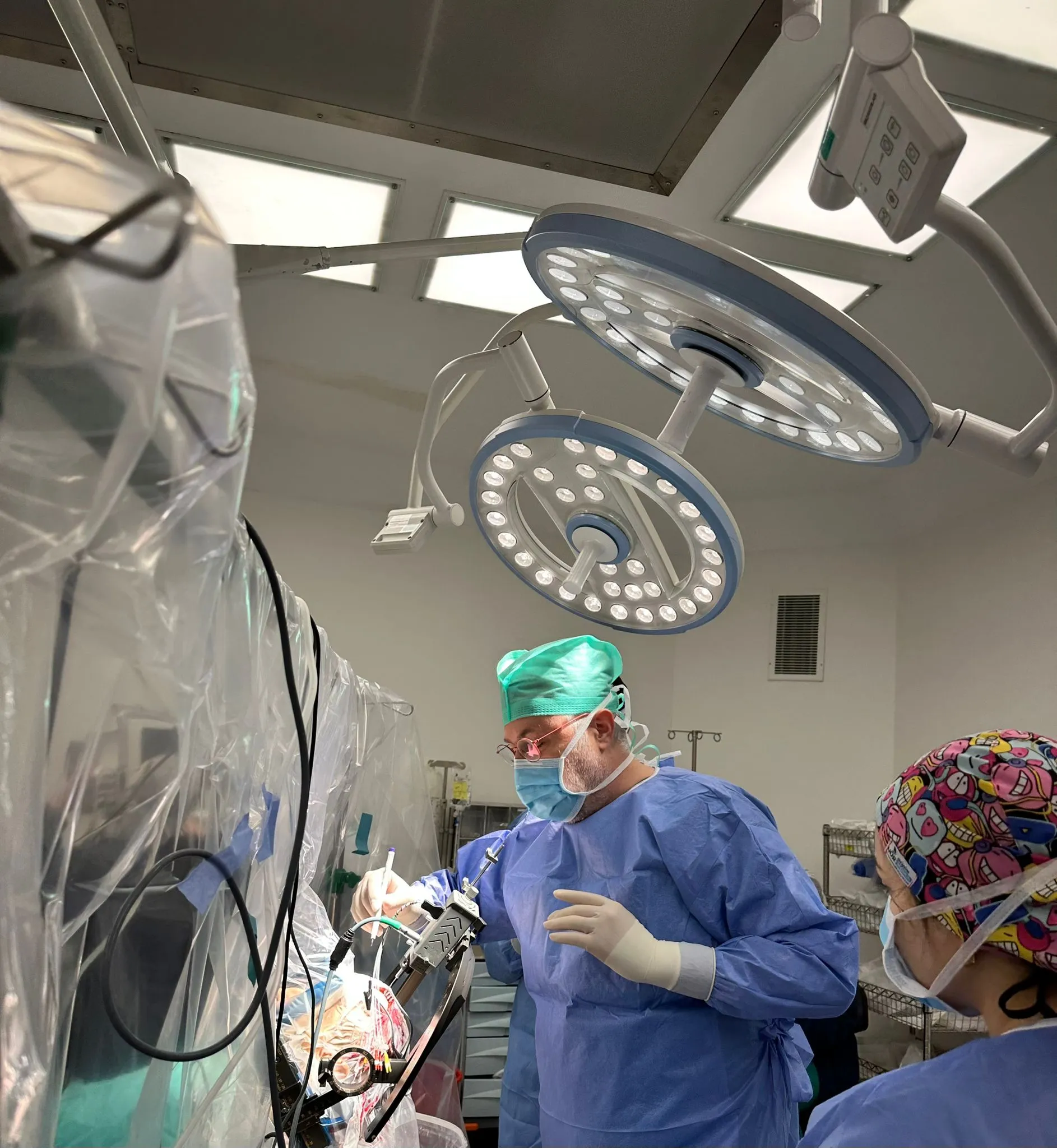
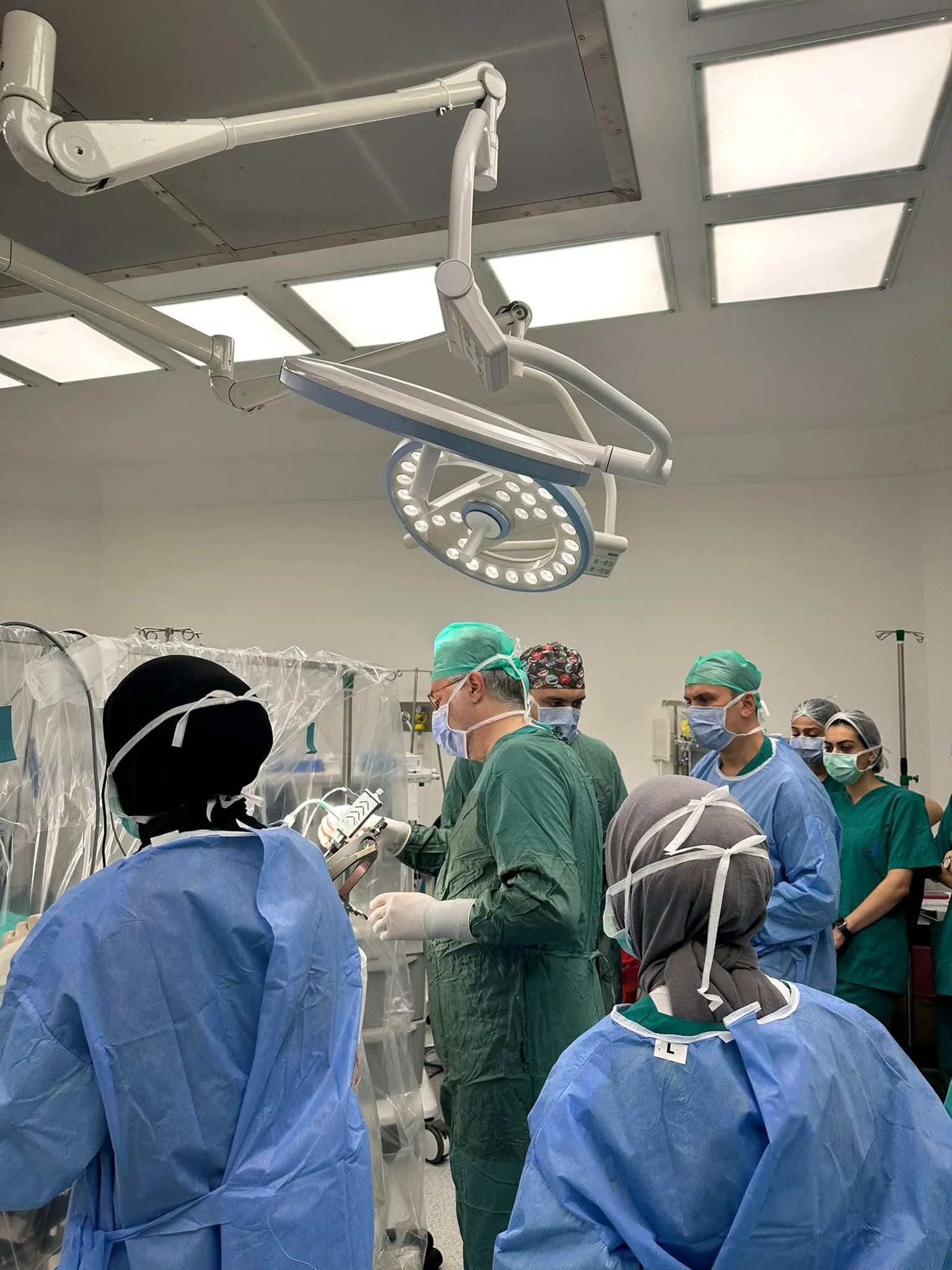
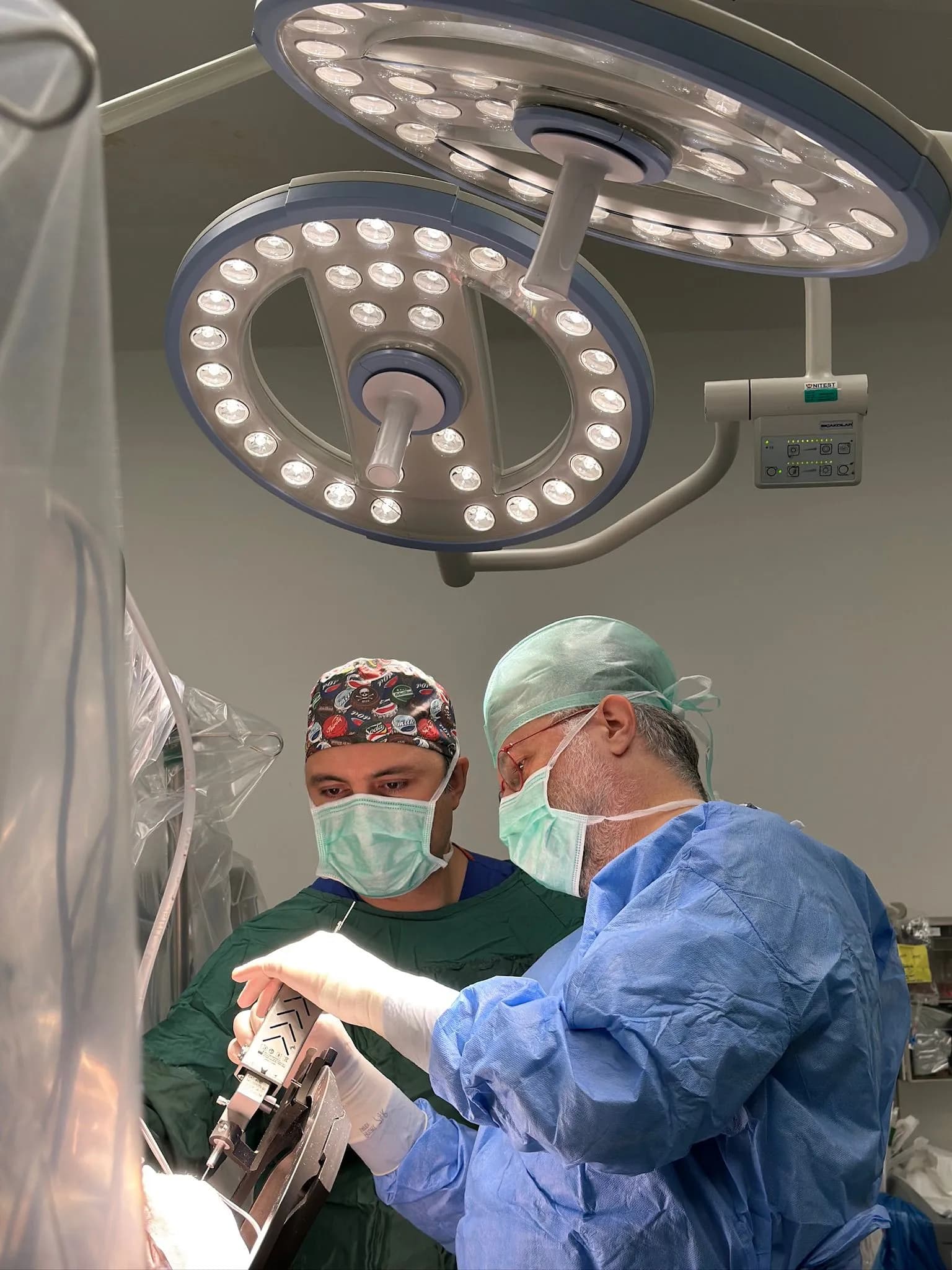
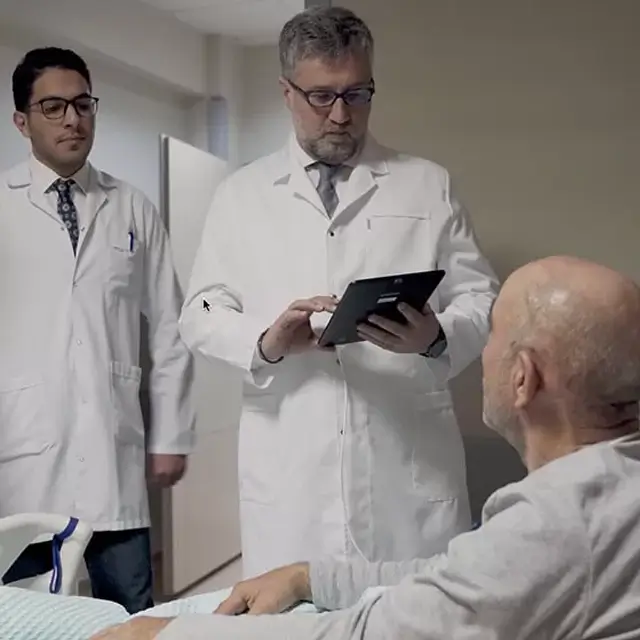
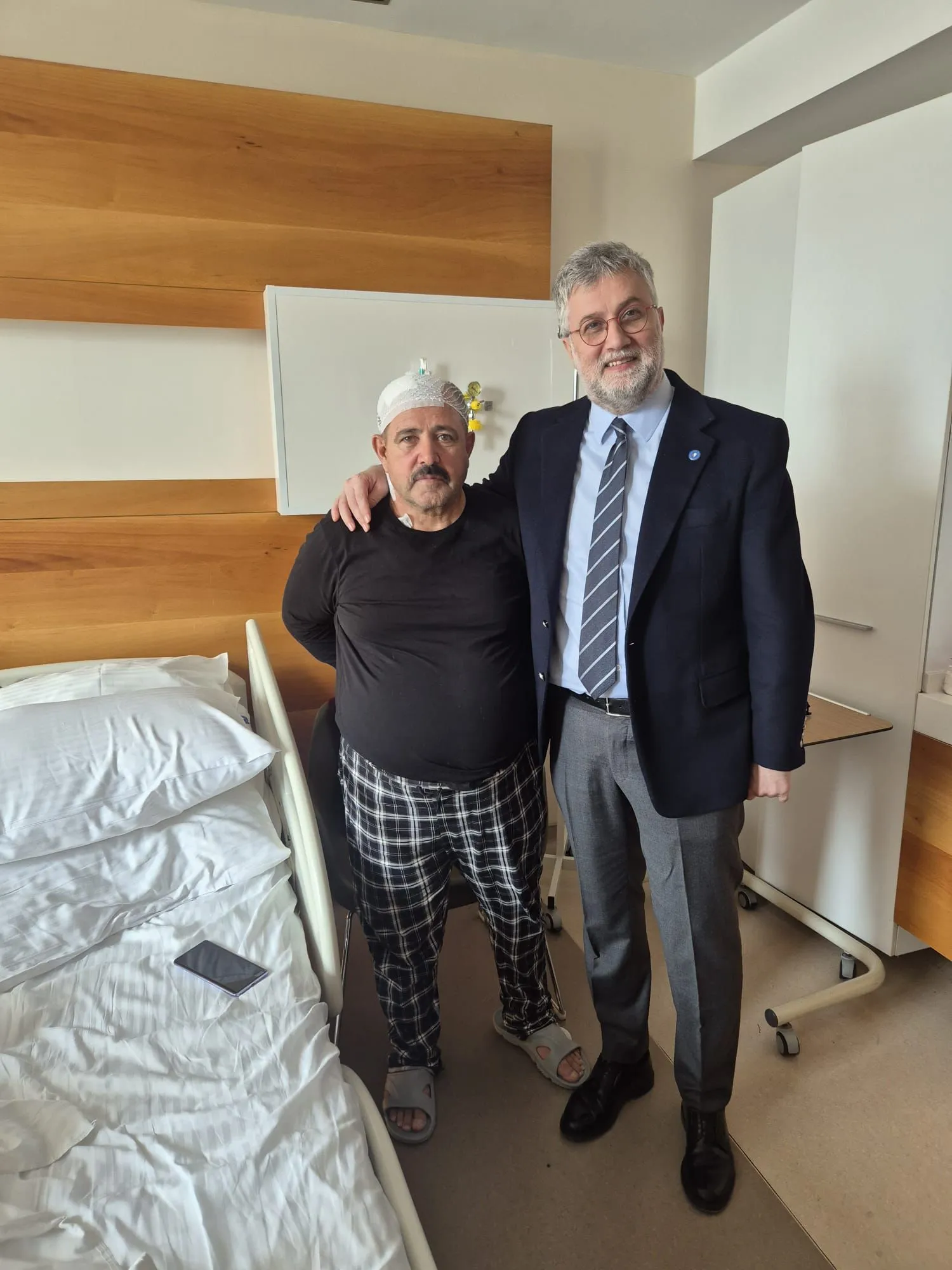
A look inside our dedicated DBS surgical suite and patient care facilities at Atlas University Hospital.
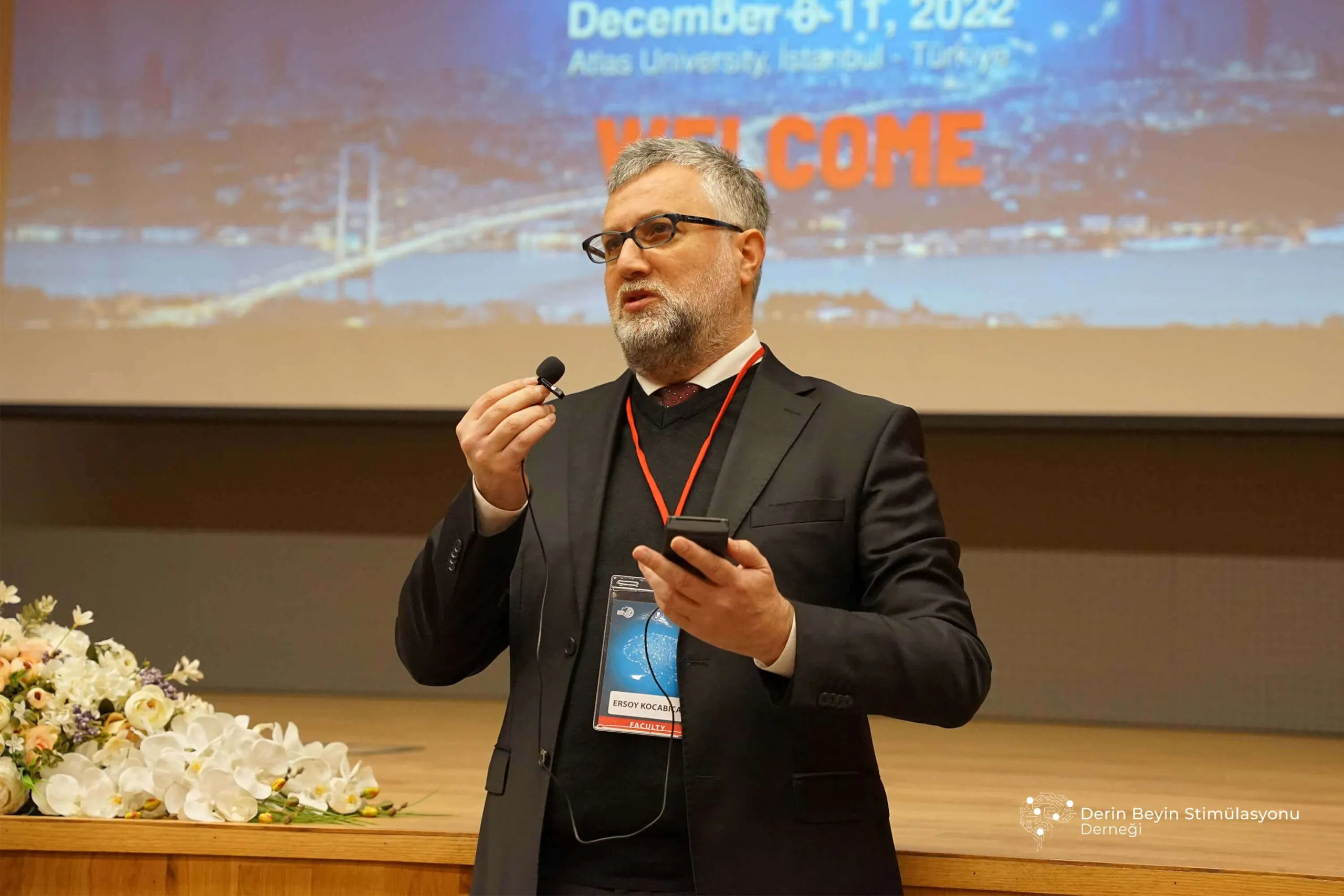
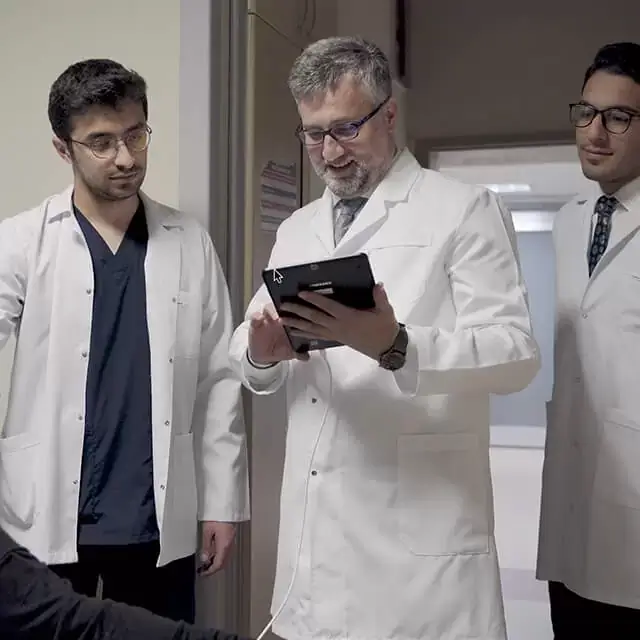
International DBS Conference
Prof. Dr. Kocabicak presenting at an international Deep Brain Stimulation symposium at Atlas University.
Where You'll Be Treated
Your DBS treatment takes place within a modern academic medical ecosystem — from a research-focused university to a high-capacity hospital to a specialised neuromodulation centre.
Atlas University
Founded in 2018 in Istanbul, Atlas University is a rapidly growing higher education institution focused on medical sciences, research, and international collaboration.
- checkFounded in 2018 in Istanbul, one of the world's major international hubs
- check110,000 m² modern campus with advanced medical infrastructure
- check6 faculties including Medicine, Dentistry, and Health Sciences
- checkMember of PHA — Johns Hopkins Patient Safety & Quality Network
- checkMember of the European University Association (EUA)
Atlas University Hospital
A modern tertiary care hospital designed to support advanced medical treatments, complex surgical procedures, and multidisciplinary patient care.
- check400 inpatient beds
- check19 operating rooms, including 1 hybrid operating room
- check400,000+ outpatient visits annually
- check30,000+ surgical procedures per year
- checkInternational patient services and multidisciplinary medical teams
Neuromodulation Centre
A specialised clinical unit at Atlas University Hospital focused on the diagnosis, surgical treatment, and long-term management of neurological disorders with Deep Brain Stimulation and other neuromodulation therapies.
- check_circleSpecialised centre for DBS and neuromodulation therapies
- check_circle15+ years of clinical experience in neuromodulation
- check_circleAdvanced surgical and neuroimaging technologies
- check_circleMultidisciplinary evaluation and treatment planning
- check_circleComprehensive pre-operative and post-operative patient care
Your DBS Journey
From initial evaluation to long-term follow-up — a structured, multidisciplinary process designed for safety and optimal outcomes.
Initial Contact
You or your referring physician contacts our centre. We review your medical reports, imaging studies, and clinical history to determine candidacy.
Multidisciplinary Evaluation
Comprehensive neurological examination, medication response assessment (ON-OFF testing), neuropsychological evaluation, psychiatric assessment, and brain imaging.
Patient Selection
The full multidisciplinary team reviews your case — disease type, medication response, cognitive and psychiatric status, surgical risks, and expected benefit from DBS.
Pre-Surgical Planning
Brain MRI and CT imaging, identification of the optimal brain target, surgical trajectory planning, and preparation of stereotactic guidance systems.
DBS Surgery — Electrode Implantation
Thin electrodes are placed into specific target areas of the brain using stereotactic guidance and intraoperative monitoring to confirm correct placement.
Neurostimulator Implantation
A small neurostimulator (brain pacemaker) is implanted under the skin in the chest area, connected to the brain electrodes via extension wires.
Post-Operative Recovery
Hospital monitoring including neurological status checks, pain management, surgical site assessment, and post-operative care instructions.
DBS Programming
Several weeks after surgery, the DBS system is activated. Neurologists adjust stimulation parameters over multiple sessions for optimal symptom control.
Long-Term Follow-Up
Periodic programming adjustments, medication optimisation, and neurological follow-up. Can be performed remotely or in your home country with local neurologist support.
Treatment in Turkey, follow-up in your home country — our team supports your local neurologist remotely or provides teleconsultation directly.
International Patient Services
Atlas University Hospital provides dedicated support to ensure a seamless medical journey for international patients.
Airport Reception & Private Transfers
Meet-and-greet at Istanbul airport with private transportation between airport, hotel, and hospital.
Accommodation Arrangements
Hotel bookings coordinated for patients and accompanying family members.
Multilingual Interpretation
Professional medical interpreters available in Arabic, English, French, and Russian.
Pre-Operative Remote Evaluation
Online medical consultations before travel, including review of medical records and imaging studies.
Post-Operative Remote Follow-Up
Teleconsultation support, digital reporting, and coordination with your local neurologist.
Visa Support & Documentation
Assistance with visa paperwork and medical invitation letters for your trip to Turkey.
A dedicated patient coordinator manages the entire process — single point of contact from first enquiry to long-term follow-up. 24/7 communication via WhatsApp, phone, and email.
Treatment Cost
DBS treatment is offered through a structured package model with transparent pricing.
DBS treatment packages typically range between USD 30,000 – 35,000, including pre-operative evaluation, surgery, device, hospital stay, and initial programming sessions.
check_circleWhat's Included
infoWhat's Not Included
Compared to the USA and Western Europe, where DBS treatment can exceed USD 100,000, Turkey offers the same level of clinical expertise at a fraction of the cost.
Contact us for a personalised cost estimate based on your condition.
Contact Us for DBS Treatment with Prof. Dr. Ersoy Kocabicak
Medicte is the authorised Canadian representative of Prof. Dr. Ersoy Kocabicak and the Atlas Neuromodulation Centre. For consultations, referrals, or any enquiries about Deep Brain Stimulation treatment, please contact our team directly.